
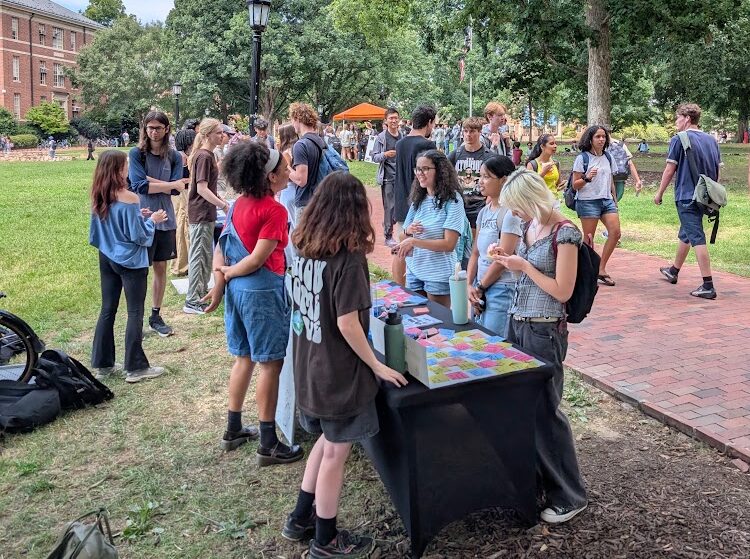
Registration Requirements
Registering as an official student organization is important to be sure that you are eligible for organization funding and permitted to carry out a variety of events on campus. However, if you are not able to register for your current semester, there’s still plenty you can do! Building coalition, starting up your social and communication platform, and preparing for the next registration cycle is a great way to enter the next semester with a strong start—and this guide is here to help with each step!
The requirements to register a new student organization can vary greatly by school; it’s important to read your university’s guidelines thoroughly to be sure you cover everything you need. Typically, student organizations are required to have two or more officers, several members, and an advisor to register. Be sure to know precisely how many of each role will be necessary for your club. The Building Coalition section of this guide will help you navigate finding your team!

Building Coalition
Connecting with student organizations, local communities, and professors to develop your team and prepare for registration
Student Organizations
Building connections with intersecting student organizations is an excellent way to find peers interested in supporting your initiative. These students could grow into active members of your club, potentially taking on leadership roles alongside you.
Many campuses have chapters of organizations like Plant Futures, Alt Protein Project, Effective Altruism, and Animal Legal Defense Fund, all of which are a great place to search for like-minded students! On your university’s student organizations site, you can search for clubs focused on animal protection, plant-based foods, climate advocacy, and other relevant topics. You can send the officers a message that briefly explains your mission and asks if they have members who may be interested in joining your cause. For clubs that feel like a great match, you can even request that they share your club’s info with their group or allow you to speak for a few minutes before their next meeting. If you have the availability, attending meetings for relevant organizations can be a great way to develop connections!
Local Communities
If you are struggling to find a student organization of interest, you can try expanding to local grassroots communities. Your area may have an animal advocacy group, vegan potluck community, or teams with plant-forward missions like Food Not Bombs. Getting in touch with these groups may open up new doors!
Club Advisor
Many schools require student organizations to have an advisor (or a similar role) for the registration process. This role is often undertaken by a professor, but be sure to check with your university’s specific rules for a clear understanding. You can search for professors that study relevant fields, such as animal ethics or plant-based food systems. If you find one that feels like a good match, reach out! You can share your vision and ask for their support in registering your student organization.
Student Body
Reaching the student body provides a great opportunity to find students who are aligned with your mission but are not yet affiliated with related organizations. You can spread your message by posting on social media groups dedicated to your university; these can be found on YikYak, Reddit, or Instagram. If your university allows, you can put up posters about your club, mission, and future events around your campus—CAAU Chapter Leads can reach out for customized posters to promote your chapter.
Social Media & Communications
Setting up an Instagram account for your club or chapter is a great way to reach students and share your events. When creating your account, it’s a great idea to have a plan for what you want to post and how frequently, as well as best practices to connect with your community and fellow activists. Learn more at our Social Media Advocacy page!
Discord
Having a centralized location to communicate with your club is a great way to build community and get to know your peers. CAAU offers a Discord template designed to facilitate meaningful conversation within your chapter to help develop relationships and share ideas for effective activism.
It can be helpful to create a shared email for your club’s leadership that you can use for official communication and for registering for social media accounts. Having a separate email for this purpose keeps all of your club-related communication in one place and lets all student leaders handle emails without having to share someone’s personal account. When you graduate, you can hand this account off to the next student leaders so that they can easily pick up where you left off. Be sure to keep your account passwords safe, and consider putting them in a password manager to make it easier for leaders to share passwords securely.
Logistics
Google Drive
Having a shared Google Drive folder can help you share materials and planning documents between your student leaders. It’s generally better to have this folder owned by a shared club account to make transitions easier when students graduate and move on. This is also a good place to put photos and videos from your events that you can use in social media posts, flyers, or posters.
Funding
Many universities offer funding to student organizations on an annual or semi-annual basis. This generally requires an application, after which your organization is approved for a certain dollar amount of funding. Schools differ in how this funding is disbursed: some schools require the students to spend out of pocket before submitting a request for reimbursement, some pay in advance out of the club’s allocated funding, and some give student organizations a card to put spending on. Check your university’s rules to figure out when the applications open and how you’ll need to manage the funds you receive. At many schools, this can be a valuable way to secure resources well beyond what students could afford to cover themselves, so if you want to plan large events or campaigns, this can be a great opportunity to make them happen without putting a burden on yourself. Student governments often like to get an idea of the impact and activity of a student organization before giving them money, so even if you are spending your own money, make sure to keep receipts and track how much is being spent because it can be helpful in the future.
When applying for funding, giving as many specifics as possible in your application will show that you are serious about running your group and can carry through on your plans. For example, instead of just saying “$100 will go to community events”, give a more detailed list of what the money will actually be used for (e.g. supplies, food, prizes, etc.).
You can also try to seek out funding beyond what the student government provides. Many schools offer small grants, including innovation grants, sustainability grants, and various project-based grants. Departments sometimes also have funding set aside for events or projects. Potential departments to consider for funding may include any that focus on philosophy, environmental science, law (if your school has an ALDF chapter), social justice, or nutrition.
Starting Strong
Your first time putting yourself out there in front of students might feel awkward—that’s okay! We are here to help you start strong and grow comfortable advocating for the animals with your peers.
Tabling events
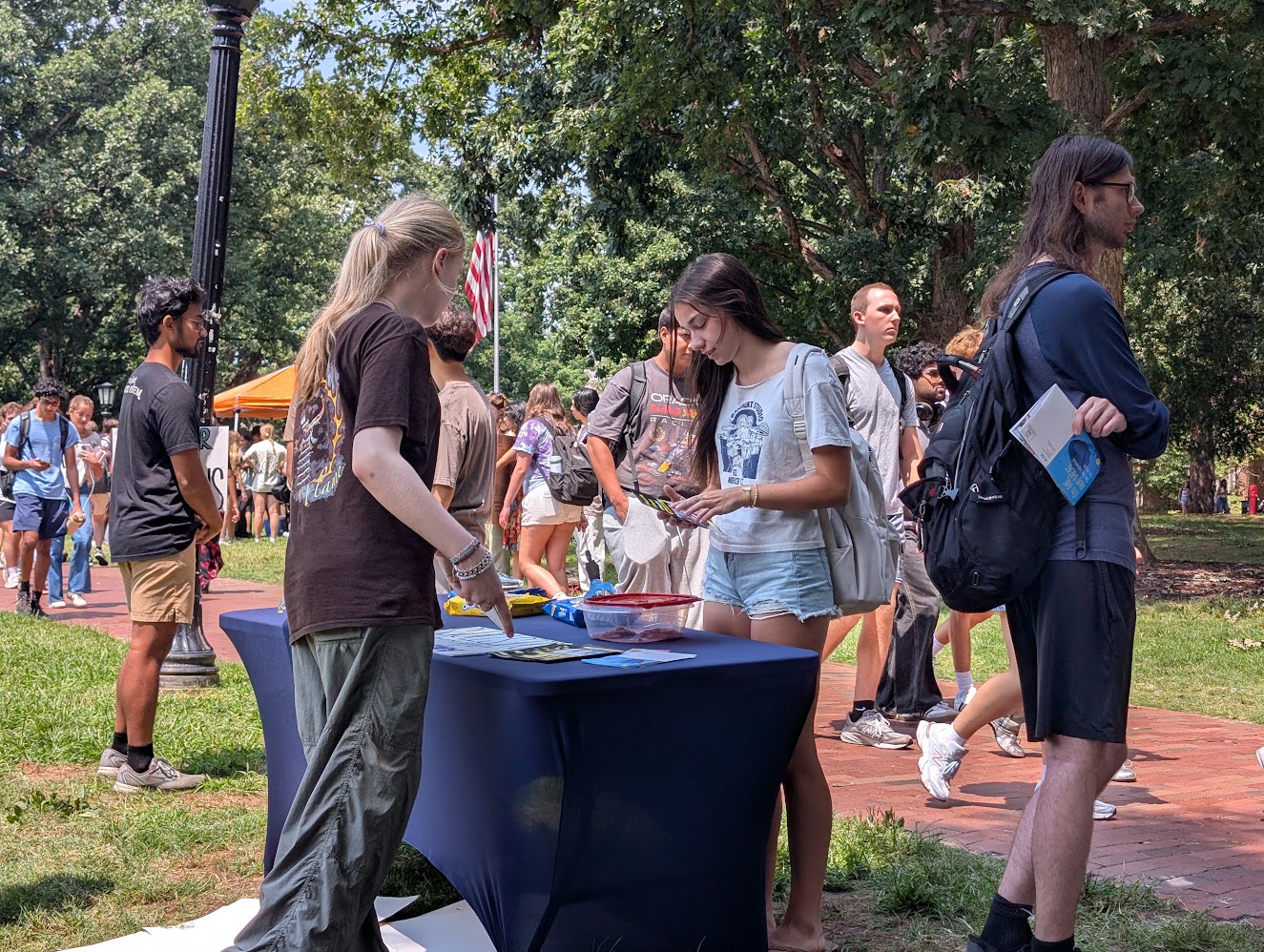
Many universities host semester kick-off events that feature student organization tables; if possible, we highly recommend registering to table and represent your chapter! This can be a great opportunity to make a positive impression on your student body and find students interested in joining.
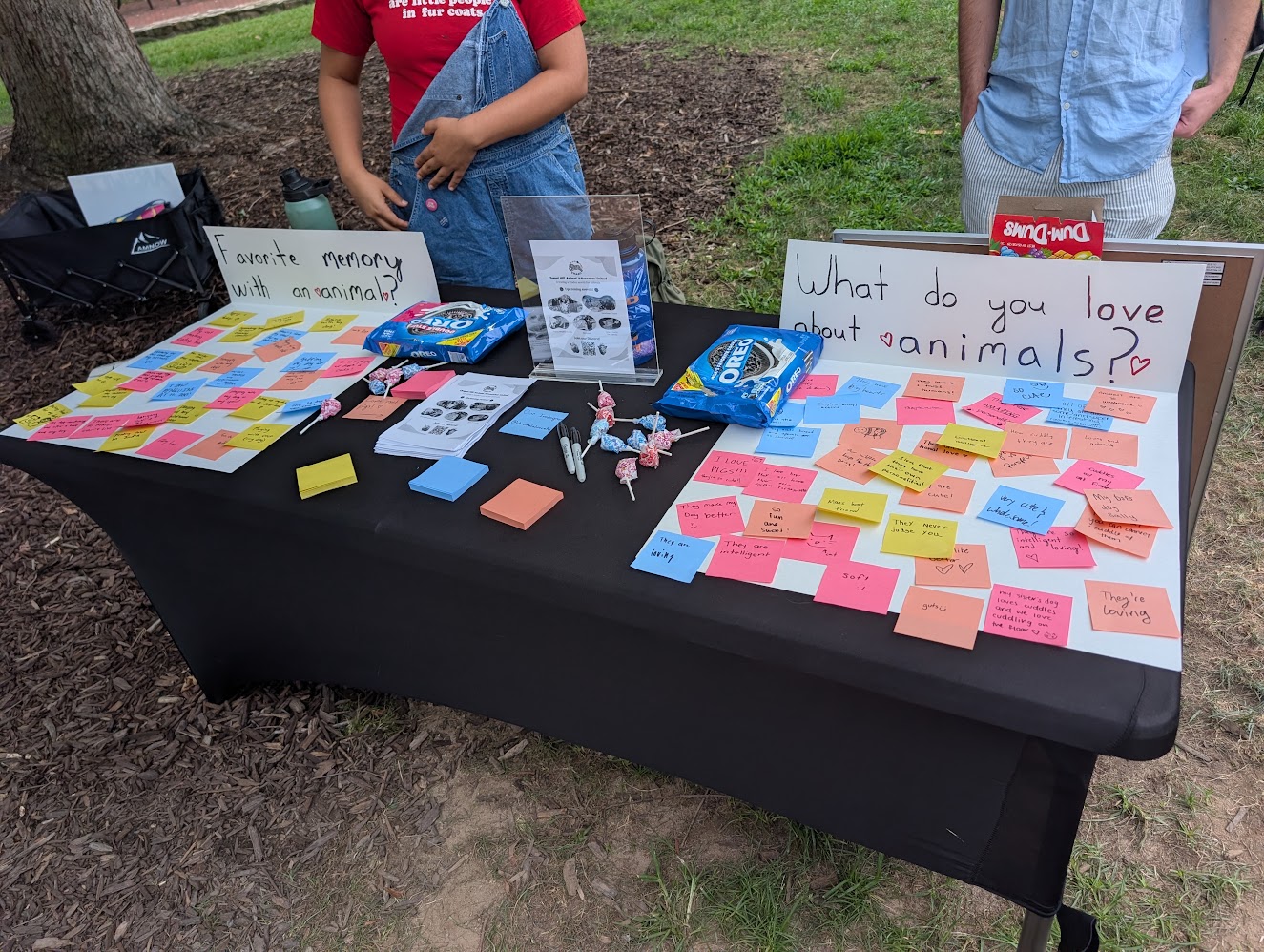
Here are some examples of what your table could look like:
- “Spin the Wheel” setups: students can spin the wheel to win a prize (vegan candy, animal stickers, pins, etc.) after following your Instagram or joining your Discord server (or whatever your communication platform may be)
- Interactive board: on sticky-notes, students can write their answer to a prompt (ex. “I care about animals because…”) that they can place on a board.
- Vegan food giveaway: if funding allows (or if you’re partnering with an external organization), students can get free vegan items (e.g. non-dairy ice cream, plant-based meats, etc.), which you can accompany with a flyer explaining why they should choose the plant-based option.
If permitted by your university, these tables are also great to host on your campus independently.
Postering
Putting up posters right before the start of the semester is a great way to bring attention to your student organization. Making your club visible around campus will help you attract interested students right when they’re looking for new clubs to join, and getting your posters out early helps make sure they’re visible when classes start. As always, make sure this is allowed by your university! There may be additional requirements to be aware of (some schools require posters to be approved before they can be put up, at least in certain locations) so make sure you know the rules before going out.
*Campus buildings are typically open on weekdays before the semester begins, but this varies by school.
Planning Ahead
Having a plan is a great way to ensure that action will happen on your campus; setting a few dates for upcoming events can prepare you to plan ahead and advertise to students. We recommend organizing a combination of advocacy events and social gatherings to build relationships between your club and the student body, as well as between you and potential activists. You can find suggestions for social and advocacy events below!
Social Events
These events are a great way to build connections and set a good impression! Centering lighthearted activities around animals or plant-based eating creates an opportunity for students with similar interests to take their first step into your community.
- Animal Sanctuary Visit
- Trivia or Game Night
- Movie/Documentary Screening
- Crafting Activities
- Plant-based Cooking Class
- Bake Sale
Advocacy Events
- Chalking
- Postering
- Tabling
- We The Free 3-minute Movie Challenge
- Corporate Campaign Letter Writing
Club Crossovers
If your university has organizations that intersect with animal advocacy, you can look into collaborating on events! This can help expand your network of students and leaders, opening doors to learn from neighboring clubs.